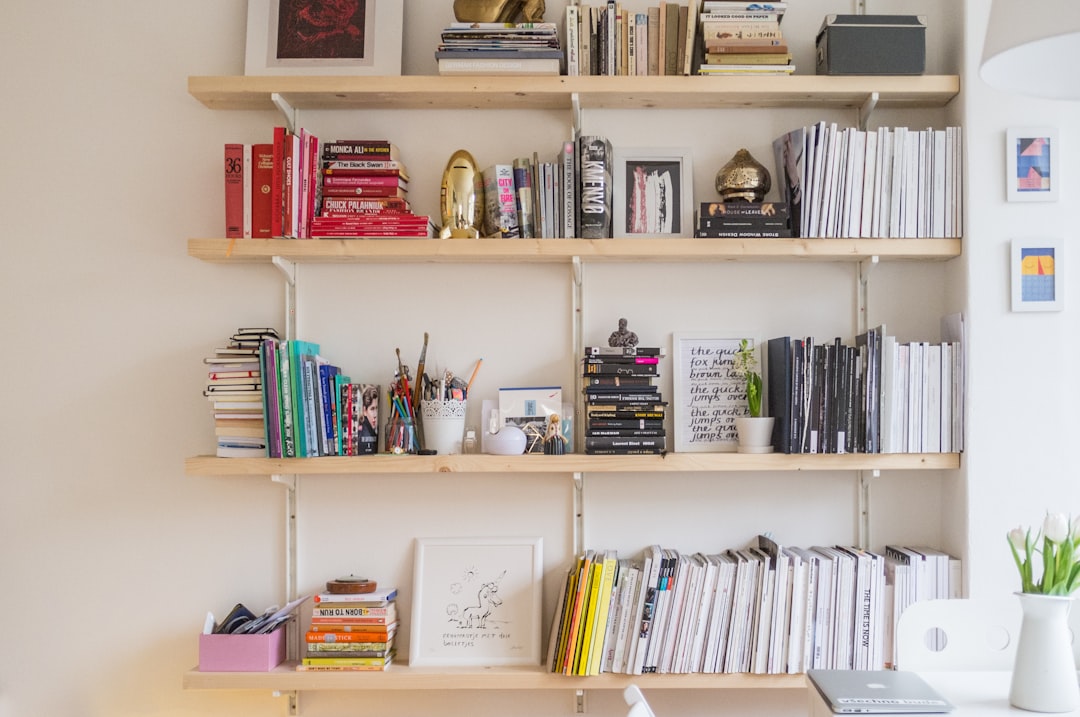
12 Common Home Organization Mistakes and How to Fix Them
Clutter creeps in gradually. Small habits and design misses create daily friction — lost keys, overflowing drawers, a pantry you can never see. Fixing organization doesn’t require a full renovation; it takes targeted decisions and repeatable systems.
This guide identifies 12 common mistakes and gives clear, practical fixes you can implement today. Use these strategies room by room to reclaim time, space, and calm.
Mistake 1: Holding onto “maybe” items
Why it happens: Emotional attachment and the “one day” mindset. Result: overflowing closets and boxes of unused items.
Fix: Use strict rules: if you haven’t used it in 12 months, donate or sell it; paperwork older than the system’s retention period gets recycled; sentimental items deserve one dedicated box. Make a quick decision triage — keep, donate, recycle — and move on. Schedule a 30‑minute purge session once a quarter to prevent rebound clutter.
Mistake 2: Not using bins and clear containers
Why it happens: Loose items multiply and get hidden in drawers and deep shelves.
Fix: Contain like with like and size containers to the shelf. Use uniform bins on open shelving to make stacks stable and visually neat. Clear or labeled bins speed retrieval and force limits on how much you own in each category. Browse a selection of practical options for different shelves and closets: Storage Bins & Baskets.
Mistake 3: A chaotic pantry layout
Why it happens: Random stacking, expired items at the back, and a mismatch between shelves and packaged goods.
Fix: Pull everything out, sort by category, and discard expired foods. Group frequently used items at eye level and reserve top shelves for bulk or seasonal supplies. Use adjustable racks and door-mounted solutions to expand usable space. If your pantry needs a practical redo, consider purpose-built tools to rescue cramped shelves: Pantry Organizers.
Mistake 4: No laundry flow or overflowing hampers
Why it happens: Dirty clothes pile up without a realistic washing schedule or adequate sorting.
Fix: Create a laundry workflow: hampers in each bedroom; a pre-sorting routine (lights, darks, delicates); and a set laundry day or two short daily loads. Use a hamper with sections or multiple bins to make sorting automatic and reduce prep time. A better hamper system removes the largest barrier to clean laundry: Laundry Hampers.
Mistake 5: Wasting entryway and mudroom space
Why it happens: Shoes, bags, and seasonal gear get dumped and don’t have a dedicated home.
Fix: Define the entryway as a functional zone: hooks for daily outerwear, a tray for keys/wallet, and seating that doubles as storage so shoes and accessories have an obvious place. A storage bench provides seating plus hidden space for shoes, umbrellas, or pet supplies — a single piece that reduces visual clutter and improves daily routines: Storage Benches.
Mistake 6: Bathroom products everywhere
Why it happens: Lots of small bottles with no consistent home lead to drips and countertop chaos.
Fix: Limit what stays in the shower and on counters to daily essentials. Mount a caddy or shelf inside the shower to consolidate bottles and keep surfaces dry. Use drawer inserts or a small tray for morning items so you don’t move products from sink to counter. For maximized shower storage consider a durable hanging solution: Shower Caddies.
Mistake 7: One-size-fits-all storage solutions
Why it happens: Buying attractive organizers without measuring leads to wasted space or units that don’t fit items.
Fix: Measure first. Buy containers to match items and shelves — short, wide boxes for pantry snacks; narrow vertical baskets for wrap and foil; shallow trays for jewelry and accessories. Customize storage to the object, not the other way around. A few well-chosen pieces create order faster than dozens of mismatched organizers.
Mistake 8: Neglecting daily maintenance
Why it happens: People invest once and expect systems to maintain themselves.
Fix: Adopt two daily habits: a 5‑minute nightly reset (clear counters, return items to homes) and a 10‑minute weekly maintenance (laundry, trash, quick tidy). These short, consistent actions prevent the build-up that requires big, exhausting overhauls.
Mistake 9: Not prioritizing accessibility
Why it happens: Storing things based on “don’t want to see it” rather than frequency of use makes daily tasks harder.
Fix: Store frequently used items where they’re easiest to reach. Reserve lower shelves for heavy items and eye level for daily use. Move seasonal or infrequently used items to higher beams or labeled bins in a closet or attic. Accessibility drives consistent use of your system.
Mistake 10: Ignoring vertical and door space
Why it happens: People treat walls and doors as empty background instead of active storage.
Fix: Add wall hooks, over-the-door racks, slim shelving, or pegboards. Vertical solutions free floor and counter space and make items visible without digging. Even narrow gaps beside appliances can hold pull-out trays for baking sheets, wraps, or cleaning supplies.
Mistake 11: Overcomplicating systems
Why it happens: Complex labeling, too many categories, and rigid rules create friction that people skip.
Fix: Keep systems simple. Use 3–5 broad categories per zone and visible labels. The easier a routine is to follow, the more likely it is to stick. If a system needs frequent coaching, simplify it further.
Mistake 12: Not tailoring the system to household members
Why it happens: One person designs the system for themselves and ignores others’ habits and needs.
Fix: Involve household members in planning. Make kid-friendly homes (low hooks, open bins) and elder-friendly designs (good lighting, reachable shelves). A system that fits real behavior will be used consistently.
Quick Checklist
- Declutter: apply the 12‑month rule.
- Measure before buying organizers.
- Group by zone: daily, weekly, seasonal.
- Use bins and labels for visibility.
- Implement a 5‑minute nightly reset and weekly maintenance.
Conclusion
Good organization is a series of small, consistent choices: the right containers, visible homes for items, and brief daily maintenance. Start with one problem area, apply these fixes, and scale the approach. Small gains compound into a home that runs more smoothly and feels calmer.
FAQ
-
How do I start if I’m overwhelmed?
Pick one 30‑minute zone (a drawer, a shelf, one closet). Remove everything, sort into keep/donate/recycle, and return only what fits the space with clear containers or bins.
-
What containers are best for visibility?
Clear bins or labeled opaque bins work well. Choose shallow boxes for drawers and stackable bins for shelves to maximize sight lines.
-
How often should I purge?
Quarterly quick purges and an annual deeper sort keep accumulation under control.
-
How do I get household members to follow the system?
Design with them: place their items at reachable heights, use simple labels, and agree on one short daily habit like returning items to their home each night.
-
What’s the easiest upgrade that creates the most impact?
Install zones and containers for high‑traffic areas (entry, kitchen counters, laundry). Making these areas functional removes the most friction from daily life.
